OMA
Tokyo
Japan
OMA’s first public project in Japan completed
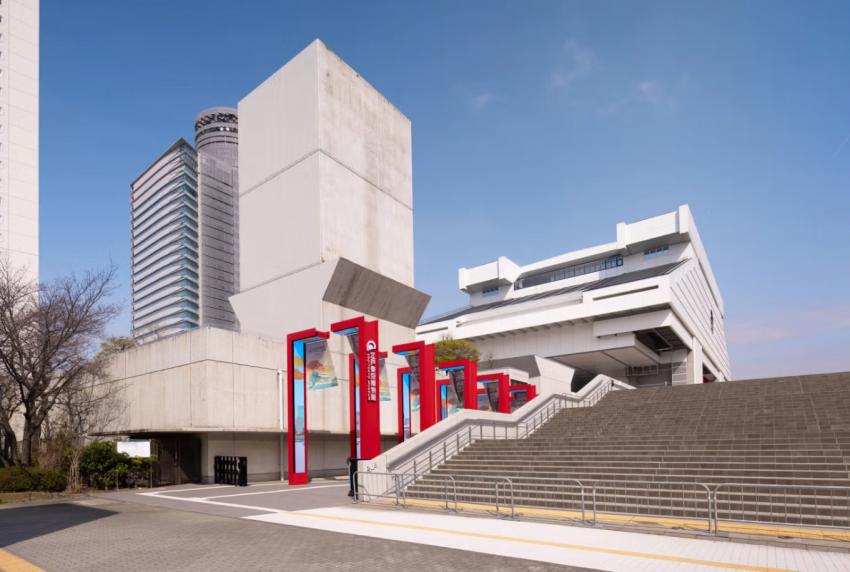
The Edo-Tokyo Museum has reopened following a four-year renovation, with site-specific interventions and installations designed by Tenderstream member OMA/Shohei Shigematsu. First completed in 1993, to an iconic design by Metabolist architect Kiyonori Kikutake, the museum explores the city’s evolution from the early the Edo period to today. The project marks OMA’s first public project in Japan, with the firm tasked to enhance public experience by better communicating the museum’s identity to the city, creating incentive for repeat visits, and making it more accessible.
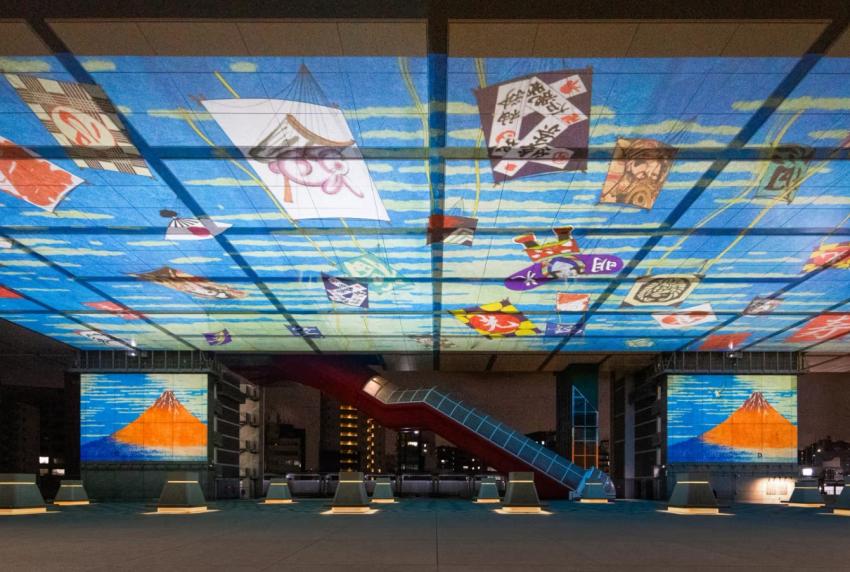
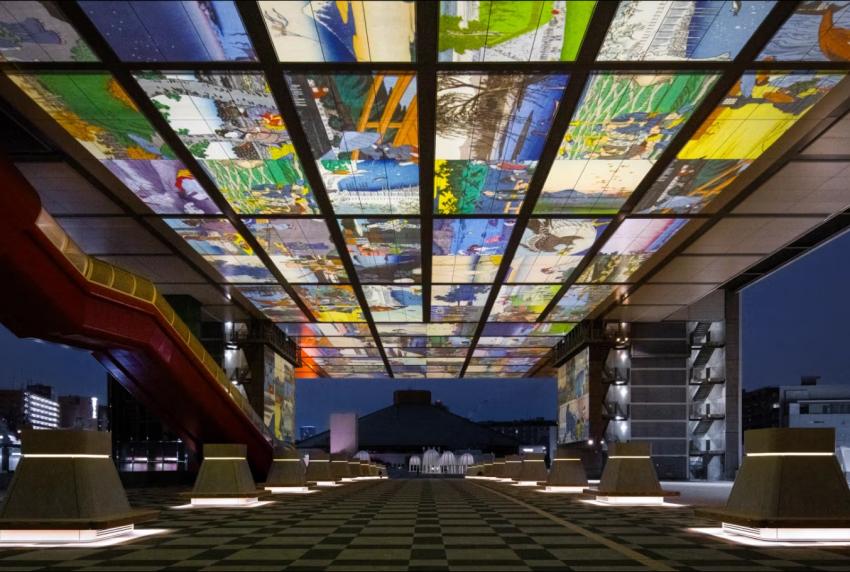
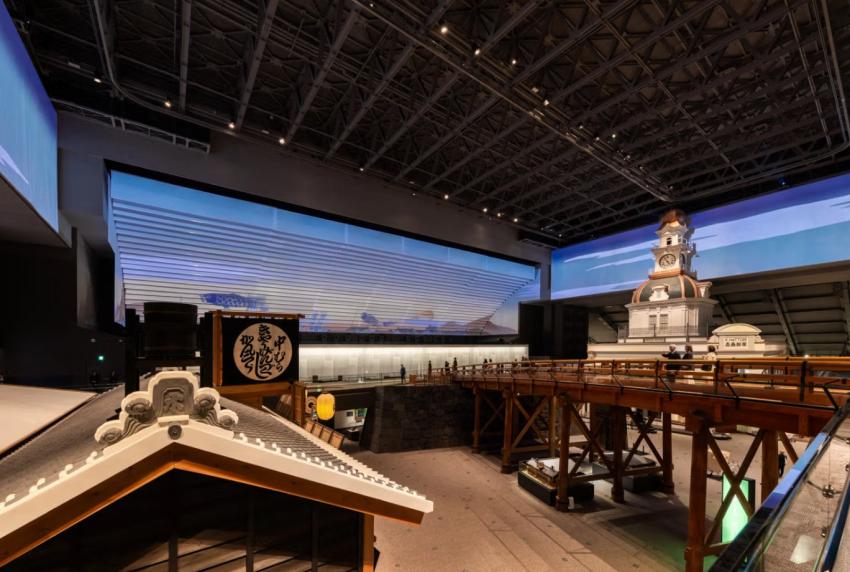
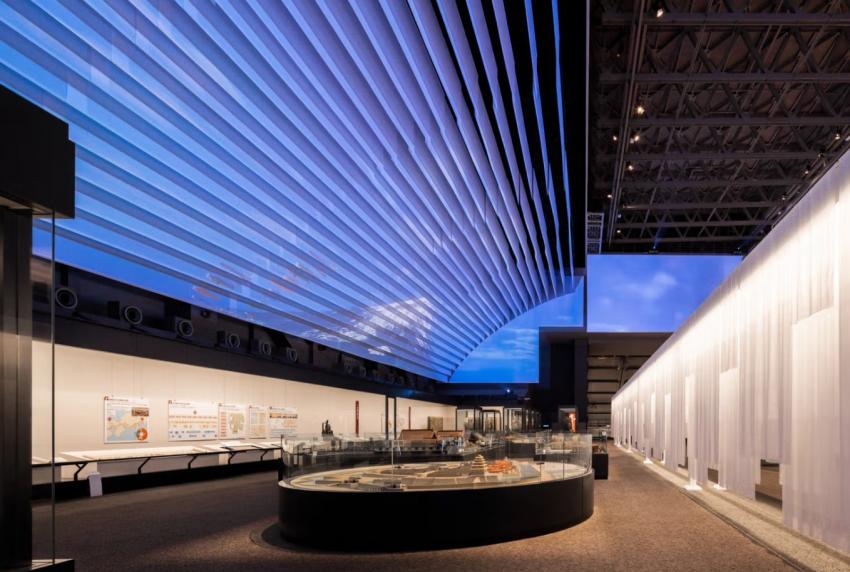
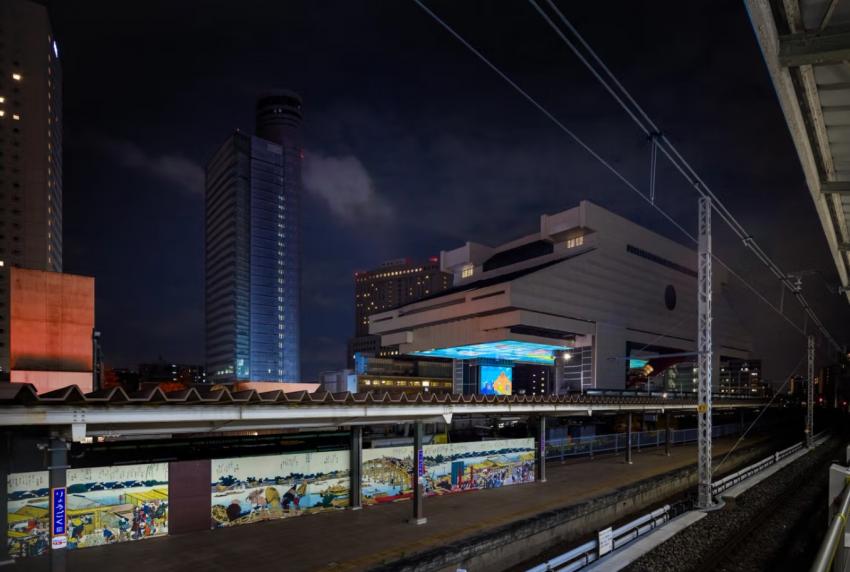
In the galleries, projections at the sixth-floor ceiling transform exhibits into immersive environments, transporting people back in time. Changing skies, under which visitors encounter life-size and scale models of buildings and neighbourhoods, bring artifacts to life. A panoramic effect is produced by projecting onto a curved screen composed of vertical louvers and adjacent walls. On the third floor, the expansive outdoor plaza is activated to create a memorable conclusion for visitors as they exit the museum. Moving images of traditional Japanese patterns, skies and foliage, prints and illustrations from the museum’s collection, and scenes from Edo and modern city life are projected on the building.
OMA’s designs complement Kikutake’s architecture, treating underutilised spaces as canvases for scenographic interventions. New marquees clarify and brighten the museum’s arrival sequences, especially in relation to traffic from nearby transit lines. The west entrance becomes a procession through gates inspired by traditional torii, or entrances leading to a shrine, which evoke Kikutake’s original proposal for the space. On the east side, a circular sign recalls the museum’s logo, which is based on an eye in a famous portrait.
Shohei Shigematsu, partner at OMA, stated: “Rather than physically altering the existing architecture, we took a somewhat ‘non-architectural’ approach, focusing on fully activating its unique spaces and highlighting its extraordinary collection. Using projection and light, the building becomes a medium that communicates the museum’s renewed identity outward and creates a more open and accessible experience for the public."
Lucy Nordberg
Tenderstream Head of Research
Start your free trial here or email our team directly at customerservices@tenderstream.com
